Freezing Fog and Black Ice: A Winter Safety Checklist
Freezing fog looks harmless. It softens the edges of the street, muffles sound and makes a January morning feel unusually still. Then you step onto the pavement, or touch the brake at the end of your road, and the day changes character. The same fog that frosts the fences white is laying a thin, almost invisible glaze on the tarmac beneath it. Ten minutes of preparation before you leave the house is the difference between a slow, careful journey and a call to a recovery firm.
How to tell freezing fog from ordinary fog
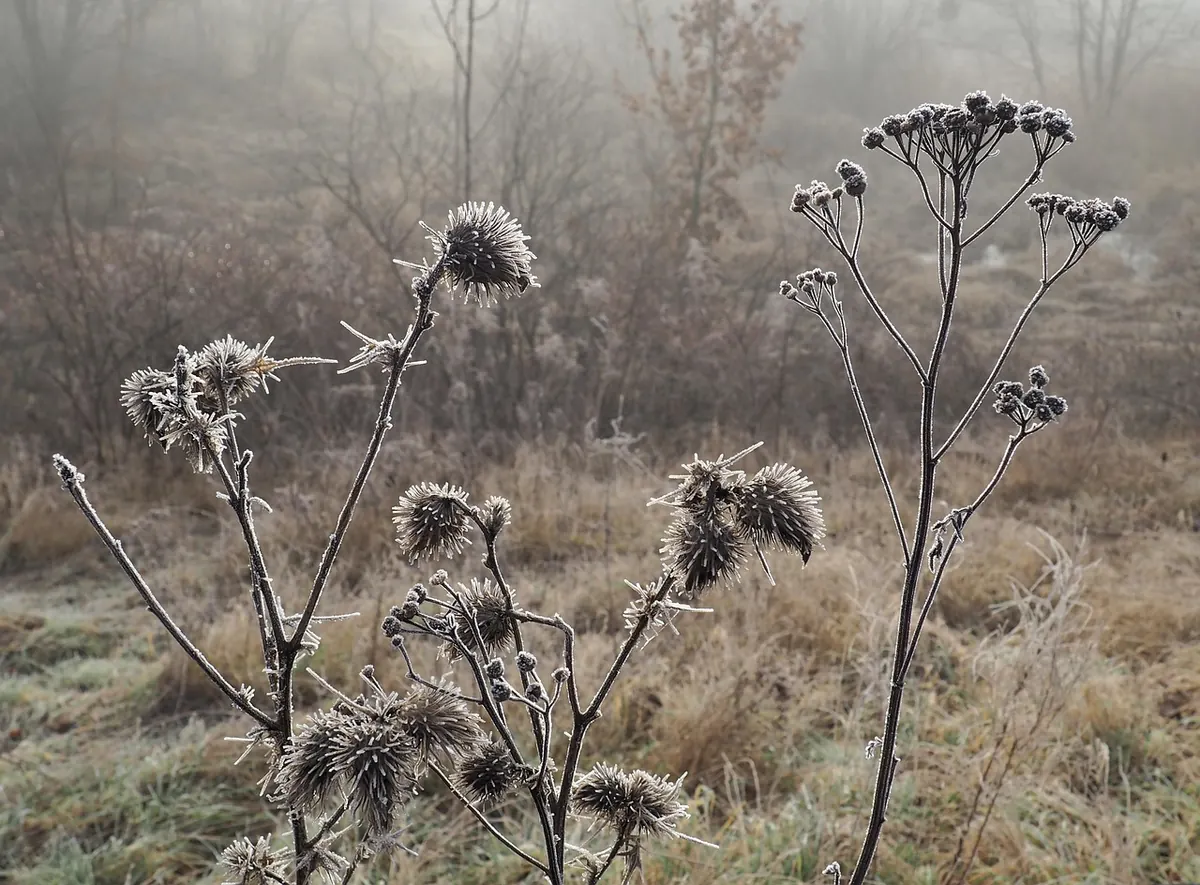
Freezing fog forms when the air is already below zero but the droplets inside it stay liquid. They are supercooled, and the moment they touch a cold surface they freeze, building up rime. That is why freezing fog does not just leave things damp. It leaves them furred with white.
Look for the giveaways before you commit to the car keys:
- Rime on grass, fence posts, spider webs, gates and the tops of parked cars, not only on the windscreens.
- Fog that refuses to lift at sunrise, sitting stubbornly in valley bottoms and along rivers and canals.
- Still air, a hard frost, and a temperature at or below zero — check a local station, not just your phone's city-wide figure.
- Your own breath hanging in the air, and a crunch rather than a squelch underfoot.
If you cannot see more than about 100 metres, you need your headlights on. Front and rear fog lights are for seriously reduced visibility only, and they should go off as soon as conditions improve — left on, they dazzle the driver behind and hide your brake lights.
Reading the road for black ice
Black ice is simply transparent ice on a dark surface, so you see the tarmac through it and read it as wet. It often forms overnight, when daytime meltwater refreezes, and it can survive in patches long after the main roads have been treated.
Where it forms first
- Bridges and flyovers, which are cooled from above and below.
- Shaded stretches: north-facing slopes, roads under trees, cuttings and gaps between buildings.
- Valley bottoms, riverside lanes and anywhere the cold air drains and settles.
- Untreated residential streets, car parks, pavements and cycle paths.
- Gutters, drain surrounds and kerbsides where water pooled during the day, plus anywhere snowmelt ran across the road.
What the car tells you
Tyre noise drops away to a hiss, or almost to nothing. Steering feels light and vague, and the wheel is slow to return after a turn. You may feel a small sideways drift on what should be a straight road, or the brakes may pulse as the anti-lock system intervenes under gentle pressure. Treat any of those as a message to slow down immediately, not eventually.
Driving through freezing fog and over ice
- Brake, steer and accelerate as separate actions. Asking the tyres to do two things at once is how slides begin.
- Double or triple your normal following distance. In fog you cannot see the hazard early; on ice you cannot stop quickly.
- Use dipped headlights rather than main beam, which bounces back off fog and blinds you.
- Change down a gear on descents and let the engine do the slowing. It is far gentler than the footbrake.
- Avoid cruise control. It will happily keep feeding power while the wheels are losing grip.
- If you do slide, ease off the accelerator, keep the steering steady and look where you want the car to go. Hard braking makes it worse.
- Do not overtake a gritter, and do not assume a treated road stays treated. Salt is diluted by meltwater, blown into verges and washed away by rain.
- Give cyclists, horse riders and pedestrians plenty of room. They have less grip than you do, and no metal cage around them.
Preparing the car the night before
Cold mornings go better when the work was done in advance. Park with a windscreen cover or an old towel under the wipers, and it lifts away in one piece. Never pour boiling water on frozen glass; the thermal shock can crack it. Use de-icer and a plastic scraper, working from the edges inwards.
- Top up screenwash at winter strength. Water alone freezes in the jets and leaves you blind at the worst moment.
- Check tyre pressures and tread. Grip falls away sharply as tread wears, and the legal minimum of 1.6 mm is a limit, not a target. Below about 7°C, summer tyres stiffen; all-season or winter tyres hold on noticeably better.
- Keep the tank or battery above half. Cold drains batteries and you may be queuing in traffic longer than usual.
- Pack a scraper, de-icer, torch, gloves, boots, a blanket, warm layers, a phone charger, a hi-vis vest, jump leads and a small bag of grit or sand for traction.
- Demist properly: air conditioning on, warm air aimed at the glass, and clean the inside of the windscreen so it stops greasing over.
Warming the car up on the driveway with the engine running is worth avoiding. On a public road it is an offence to leave a vehicle unattended with the engine running, and it is an easy way to lose the car to a thief.
Clear the whole windscreen, side windows and mirrors, not a porthole. Frost hides pedestrians, cyclists and cyclists' wobbles.
Footwear and walking on ice
Most winter injuries happen on foot, close to home. Choose boots or shoes with deep treads and soft rubber compounds that stay flexible in the cold. Smooth leather soles, worn trainers and high heels are best left by the door.
- For regular walking, slip-on grips with spikes or studs help enormously. Take them off indoors — on tiles they are genuinely dangerous.
- Walk like a penguin: short, flat-footed steps, feet slightly apart, arms out of your pockets for balance.
- Step down onto the whole foot rather than striking heel first, and test a suspect patch with a toe before shifting your weight.
- Prefer gritted paths, even if the route is longer. Grass, gravel and packed snow give more grip than polished slabs, metal drain covers, painted lines and manhole covers.
- Grit your own front path with salt, sand or clean cold ash, and clear the step before it refreezes.
If you fall, hit your head, feel faint or cannot put weight on a limb, get medical advice rather than carrying on. That is particularly true for older walkers, anyone taking medication that affects balance, and anyone with a bone or joint condition.
A cold-morning routine worth keeping
Check the forecast and any weather warnings the night before, then look out of the window at first light. Rime on the fence means rime on the road. Allow extra time, clear every window, wear the grippy boots, and tell someone your route if you are driving on rural lanes. Keep your phone charged and drive as if the next bend is colder than this one, because it often is. None of this is dramatic. It is just the quiet, sensible groundwork that turns a treacherous morning into an ordinary one.
Photo: josefko48 / Pixabay